Introduzione al Prodotto
Il GHK-Cu, noto anche come Copper Tripeptide-1, è un complesso peptidico di rame formato dal legame di un tripeptide con uno ione rame. Questo composto è ampiamente utilizzato nella ricerca di materie prime cosmetiche grazie alla sua struttura molecolare stabile e alla composizione ben definita. Nello sviluppo di prodotti per la cura della pelle a base di peptidi, il GHK-Cu viene spesso selezionato come ingrediente di riferimento per la valutazione di sistemi formulativi focalizzati sull'anti-invecchiamento e sulla riparazione della pelle.
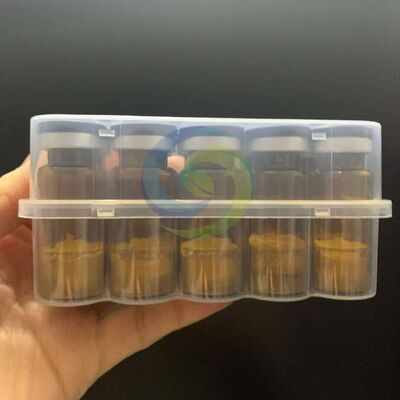
Il peptide è costituito da glicina, istidina e lisina, che si coordinano con il rame per formare un complesso di colore blu. Questo prodotto viene fornito come polvere liofilizzata, un formato che aiuta a mantenere la stabilità strutturale e riduce i rischi di degradazione durante lo stoccaggio. Il caratteristico colore blu è il risultato dello ione rame all'interno della molecola, comunemente osservato nei materiali a base di peptidi di rame.
La produzione prevede una preparazione sintetica seguita da processi di purificazione progettati per rimuovere le impurità e garantire una qualità costante. Test analitici mediante HPLC-UV confermano un livello di purezza di ≥99%, rendendo il materiale adatto alla ricerca cosmetica su scala di laboratorio. Grazie alla sua struttura molecolare definita, il GHK-Cu è frequentemente utilizzato in studi relativi al comportamento dei peptidi e alla valutazione degli ingredienti cosmetici.
Il prodotto mostra una buona compatibilità con i sistemi a base acquosa. Ciò consente ai ricercatori di sciogliere la polvere e incorporarla in formulazioni sperimentali come sieri, gel ed emulsioni, specialmente nelle fasi iniziali dello sviluppo del prodotto.
Ruolo nella Ricerca sulla Cura della Pelle e Cosmetica
Nella scienza cosmetica moderna, gli ingredienti a base di peptidi di rame sono spesso studiati in relazione alle formulazioni anti-invecchiamento e di riparazione della pelle. Il GHK-Cu viene comunemente utilizzato per indagare come i materiali a base di peptidi interagiscono con i sistemi cutanei e come si comportano nelle applicazioni topiche.
Un'area chiave di ricerca è la sua interazione con i componenti della formulazione. I prodotti cosmetici contengono solitamente più ingredienti, tra cui umettanti, emulsionanti e stabilizzanti. Il GHK-Cu, grazie alle sue dimensioni molecolari relativamente piccole, può disperdersi uniformemente nei sistemi acquosi, il che semplifica i test di laboratorio e migliora la consistenza della formulazione.
Un altro aspetto importante è la stabilità. Durante lo sviluppo di prodotti per la cura della pelle, gli ingredienti devono mantenere la loro struttura in condizioni variabili di pH e di stoccaggio. Il GHK-Cu dimostra una stabilità affidabile se maneggiato correttamente, supportando la ricerca a lungo termine e le prove di formulazione ripetute.
I ricercatori utilizzano anche questo peptide di rame per studiare come i complessi metallo-peptide si comportano nei sistemi cosmetici. La sua struttura costante lo rende adatto per studi comparativi e ottimizzazione delle formulazioni.

Applicazioni nella Formulazione Cosmetica
La polvere di peptide di rame GHK-Cu è ampiamente applicata nella ricerca e sviluppo di formulazioni cosmetiche. Viene spesso utilizzata nella preparazione di prodotti sperimentali come sieri anti-invecchiamento, gel idratanti e creme per la riparazione della pelle.
In laboratorio, i ricercatori valutano come il peptide si disperde in diversi sistemi di base. La solubilità e la compatibilità sono fattori chiave, specialmente quando si combina il GHK-Cu con altre materie prime cosmetiche. Questi test aiutano a determinare come il peptide si comporta nelle applicazioni pratiche.
Inoltre, il GHK-Cu viene utilizzato negli studi di sinergia di formulazione. Combinandolo con altri ingredienti, i ricercatori possono valutare la stabilità del sistema e l'interazione degli ingredienti in formulazioni complesse.
Il peptide viene anche utilizzato negli studi analitici, dove la sua struttura definita supporta lo sviluppo di metodi e la ricerca sul controllo qualità.
Vantaggi del Prodotto
-
Peptide di rame ad alta purezza (≥99%) verificato da HPLC
-
Polvere liofilizzata stabile adatta per la ricerca a lungo termine
-
Buona compatibilità con formulazioni a base acquosa
-
Adatto per lo sviluppo anti-invecchiamento e di riparazione della pelle
-
Qualità costante dei lotti per laboratori cosmetici
Specifiche del Prodotto
| Nome del Prodotto |
GHK-Cu (Copper Tripeptide-1) |
| Numero CAS |
9030-95-5 |
| Formula Molecolare |
C14H24N6O4Cu |
| Purezza |
≥99% |
| Aspetto |
Polvere Blu |
| Metodo di Test |
HPLC-UV |
| Applicazione |
Materia Prima Cosmetica |
| Solubilità |
Solubile in acqua |
| Durata di conservazione |
12 mesi |
Guida allo stoccaggio
Il GHK-Cu può essere trasportato a temperatura ambiente per brevi periodi senza impatti significativi sulla qualità.
Per le condizioni di stoccaggio:
-
Stoccaggio a breve termine: 2–8°C
-
Stoccaggio a lungo termine: -20°C
-
Durata di conservazione: 12 mesi


 Il tuo messaggio deve contenere da 20 a 3000 caratteri!