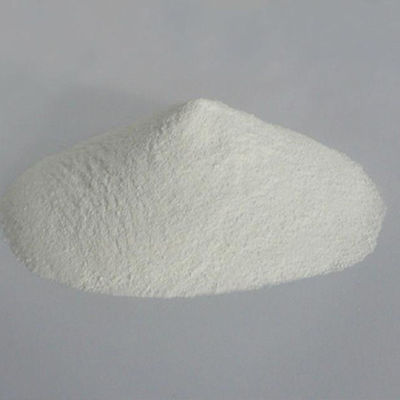
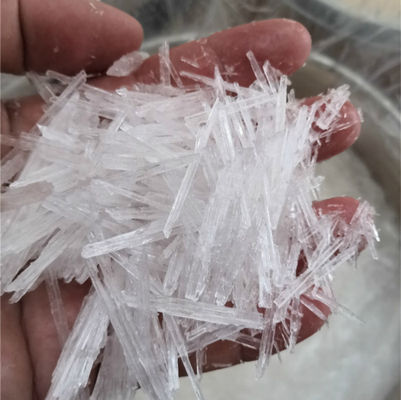
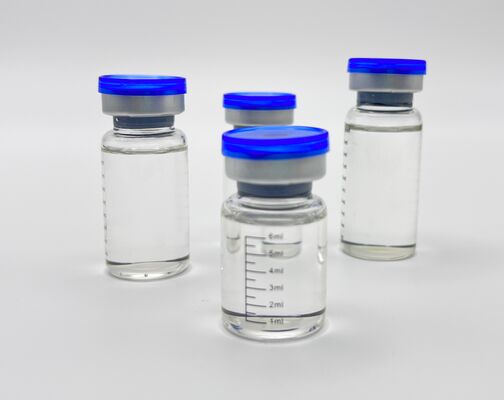
Descrizione del prodotto
| Nome del prodotto |
GS-441524 |
| Data di scadenza |
1 anno dalla data di produzione |
| Condizione di conservazione |
Temperatura ambiente |
| Numero CAS |
1191237-69-0 |
| Funzione centrale |
Trattamento per la FIP del gatto |
| Forma posologica |
Iniezione |
| Paese di produzione |
Cina |
| Specificativi dell' imballaggio |
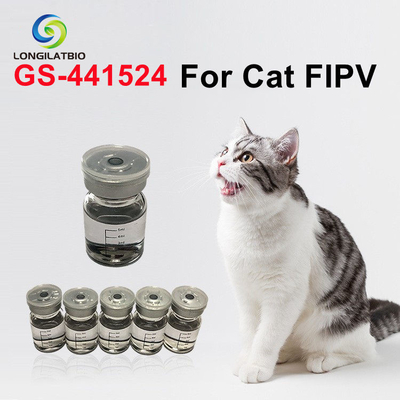
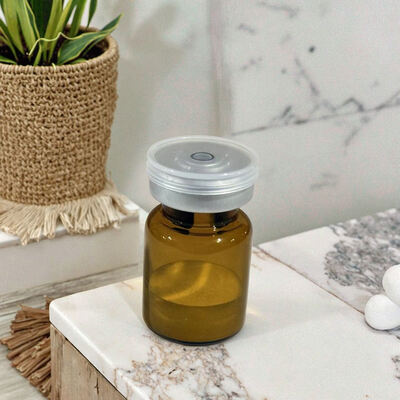
6 ml/ flaconcino, 8 ml/ flaconcino, 10 ml/ flaconcino |
| Forza attiva |
20 mg, 30 mg |
GS-441524 è un analogo nucleosidico sintetico che mostra un'attività antivirale specifica e potente contro il coronavirus felino (FCoV), l'agente causante della peritonite infettiva felina (FIP).Il suo meccanismo d'azione si basa sull'inibizione selettiva dell'RNA polimerasi dipendente dall'RNA del FCoVGS-441524 imita la struttura dei nucleosidi naturali,gli elementi costitutivi dell'RNA, ed è quindi riconosciuto e utilizzato dalla polimerasi virale durante la sintesi dell'RNA.prevenire un ulteriore allungamento della molecola di RNA e fermare efficacemente la replicazione del FCoVQuesta inibizione della replicazione virale riduce la carica virale nel corpo del gatto e impedisce alla malattia di diffondersi nelle cellule e nei tessuti sani.

Essendo il principale metabolita attivo di remdesivir, GS-441524 ha un profilo farmacocinetico favorevole nei mammiferi, con un' emivita di 24 ore.Questa lunga emivita garantisce che il medicinale rimanga attivo nel corpo del gatto per un periodo prolungato dopo la somministrazione., fornendo un effetto antivirale prolungato e riducendo la frequenza di somministrazione necessaria per un trattamento efficace.GS-441524 non solo inibisce la replicazione virale, ma allevia anche la risposta infiammatoria grave che è responsabile della maggior parte dei segni clinici e dei danni ai tessuti nella FIPRiducendo la carica virale e l'infiammazione, GS-441524 consente al sistema immunitario del gatto di ripristinare la sua normale funzione e montare una risposta efficace per eliminare il virus,che porta alla risoluzione dei segni clinici e al miglioramento degli esiti per i gatti infetti.
Peritonite infettiva felina (PIF)
La peritonite infettiva felina (FIP) è una grave malattia virale sistemica che colpisce i gatti domestici, causata dalla mutazione di ceppi patogeni del coronavirus felino (FCoV).Il FCoV è un virus molto diffuso nelle popolazioni di gatti, la cui trasmissione avviene principalmente attraverso la via fecale-orale. Il virus viene eliminato nelle feci dei gatti infetti e può sopravvivere su superfici ambientali per diverse settimane,rendendola facile da diffondere in ambienti con più gatti, come le catterieIl contatto diretto con i gatti infetti e il contatto con ciotole di cibo contaminate, lettiere,e il letto sono le principali vie di trasmissione per i gatti sensibili.
Lo sviluppo della FIP è strettamente legato allo stato immunitario del gatto. La FIP si verifica solo nei gatti con un sistema immunitario compromesso o immaturo che non è in grado di controllare la replicazione del FCoV.I gattini sono il gruppo più sensibile, poiché il loro sistema immunitario non è completamente sviluppato e sono spesso esposti al FCoV in giovane età in ambienti di riproduzione.infezioni virali o batteriche concomitantiIn questi gatti immunocompromessi, il FCoV subisce mutazioni genetiche che gli permettono di sfuggire all'immunità intestinale,invadono il sistema dei fagociti mononucleari, e si diffondono sistemicamente in tutto il corpo, portando allo sviluppo di FIP.
La FIP si presenta in due principali forme cliniche: effusiva (umida) e non effusiva (asciutta), ognuna delle quali presenta caratteristiche patologiche e cliniche distinte.La FIP effusiva è caratterizzata dall'accumulo di un esudato ricco di proteine nella cavità addominale, cavità toracica, o entrambi, causati da una maggiore permeabilità vascolare dovuta alla risposta infiammatoria indotta dal virus.difficoltà respiratorieLa FIP non effusiva è caratterizzata dalla formazione di lesioni granulomatose in vari organi, tra cui fegato, reni, milza,polmoniI sintomi clinici della FIP secca sono più variabili e dipendono dagli organi colpiti, ma comunemente includono febbre, perdita di peso, letargia, ittero,e disfunzioni specifiche degli organi come insufficienza renale o segni neurologici.
La diagnosi della FIP rappresenta una sfida significativa in medicina veterinaria a causa della natura non specifica dei suoi segni clinici e della mancanza di un test diagnostico semplice e definitivo.I veterinari di solito fanno una diagnosi presuntiva basata su una combinazione della storia del gattoI principali risultati di laboratorio che supportano la diagnosi di FIP includono livelli elevati di globulina, un basso rapporto albumina-globulina, linfopenia,ed elevati enzimi epaticiPer i casi effusivi, l'analisi del liquido addominale o toracico è un passo diagnostico critico, con il liquido che mostra un alto contenuto di proteine, un basso numero di cellule e la presenza di FCoV.Anche il test molecolare per l'acido nucleico FCoV in campioni di fluidi o tessuti può supportare la diagnosiAttualmente, non esiste un vaccino efficace per la FIP e la prevenzione si concentra sulla riduzione dell'esposizione al FCoV, sulla riduzione dello stress,e sostenere la salute immunitaria dei gatti attraverso una nutrizione ottimale e cure veterinarie.
Applicazione e dosaggio di GS-441524
GS-441524 è una soluzione iniettabile antivirale utilizzata non etichettata nella pratica clinica veterinaria per il trattamento della peritonite infettiva felina.con dimostrata efficacia nel trattamento sia delle forme effusive che delle forme non effusive della malattiaIl medicinale è disponibile in tre confezioni (6 vials da 8 ml, 10 ml) e due concentrazioni attive (20 mg, 30 mg),fornire ai veterinari flessibilità nel dosaggio per soddisfare le esigenze dei singoli gatti di peso e di trattamento diversi.
Il dosaggio di GS-441524 è basato sul peso corporeo del gatto e sulla forma clinica della FIP, con dosi più elevate richieste per i gatti con FIP secca, coinvolgimento oculare/ neurologico o malattia ricorrente.Il medicinale è somministrato per via sottocutanea o intraperitoneale.La maggior parte dei gatti richiede un trattamento continuo fino a quando tutti i segni clinici si risolvono, la carica virale è indetectabile,e i valori di laboratorio tornano alla normalitàIl monitoraggio veterinario durante tutto il trattamento è essenziale per valutare la risposta del gatto, regolare il dosaggio in base alle esigenze e garantire la sicurezza e l'efficacia del trattamento.
Dosaggio raccomandato:
- FIP (tipo umido): 0,3 ml/kg di peso corporeo + 0,1 ml di residui, somministrazione iniettabile
- FIP (tipo secco): 0,4 ml/kg di peso corporeo + 0,1 ml di residui, somministrazione iniettabile
- FIP con coinvolgimento oculare/neurologico: 0,5 ml/kg di peso corporeo + 0,1 ml di residui, somministrazione iniettabile
- Casi ricorrenti di FIP: 0,6 ml/kg di peso corporeo + 0,1 ml di residui, somministrazione iniettabile


 Il tuo messaggio deve contenere da 20 a 3000 caratteri!